When Long-Term Conviction Destroys Short-Term Discipline
Trade Summary
The weekly chart showed bearish divergence and a trendline breakout, I entered short at 1.3435, and quickly banked +250 ticks on half the position.
Then I made a costly psychological error.
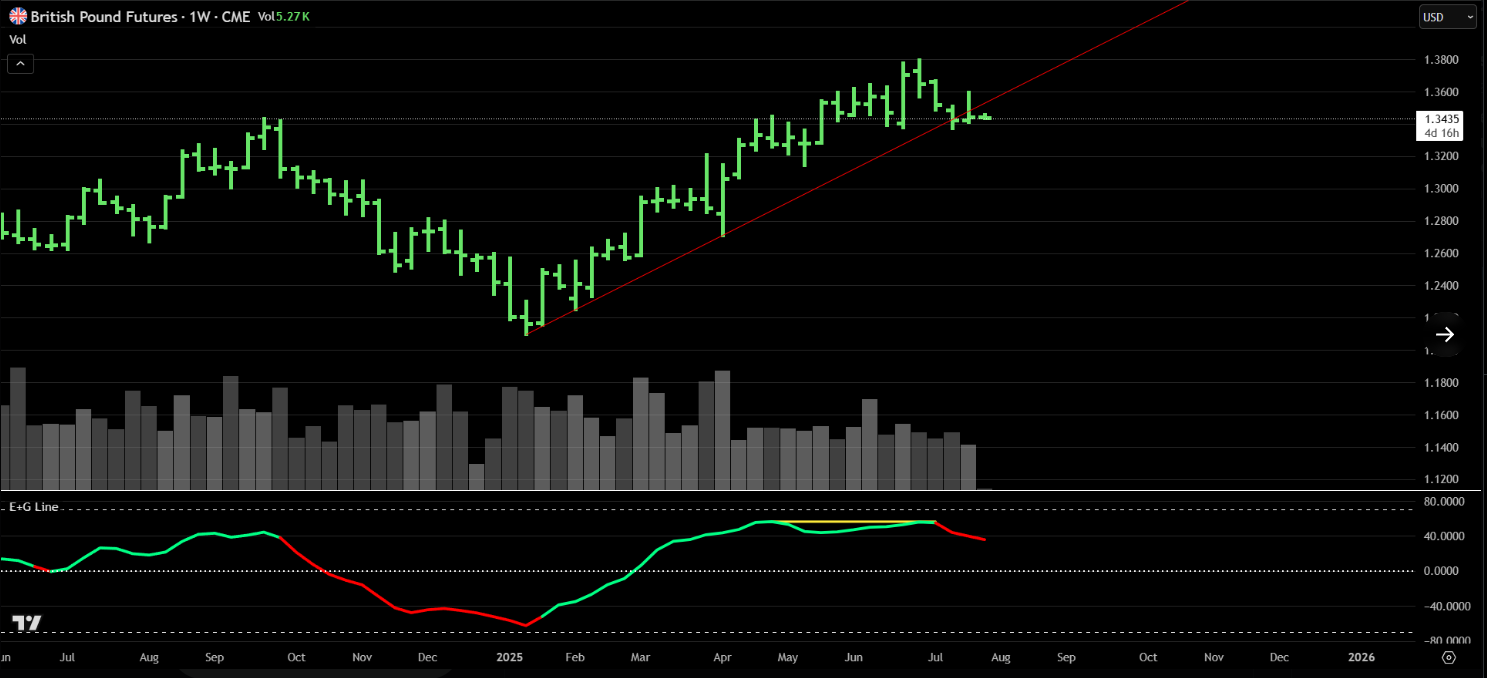
GBP/USD weekly chart showing initial bearish divergence and trendline break setup
1. The Setup and Initial Success
When price broke below the ascending trendline, I entered short at 1.3435 with my stop above 1st bounce that broke the trendline. Following my standard approach, I closed 50% of the position at +250 ticks, banking substantial profit while maintaining exposure.
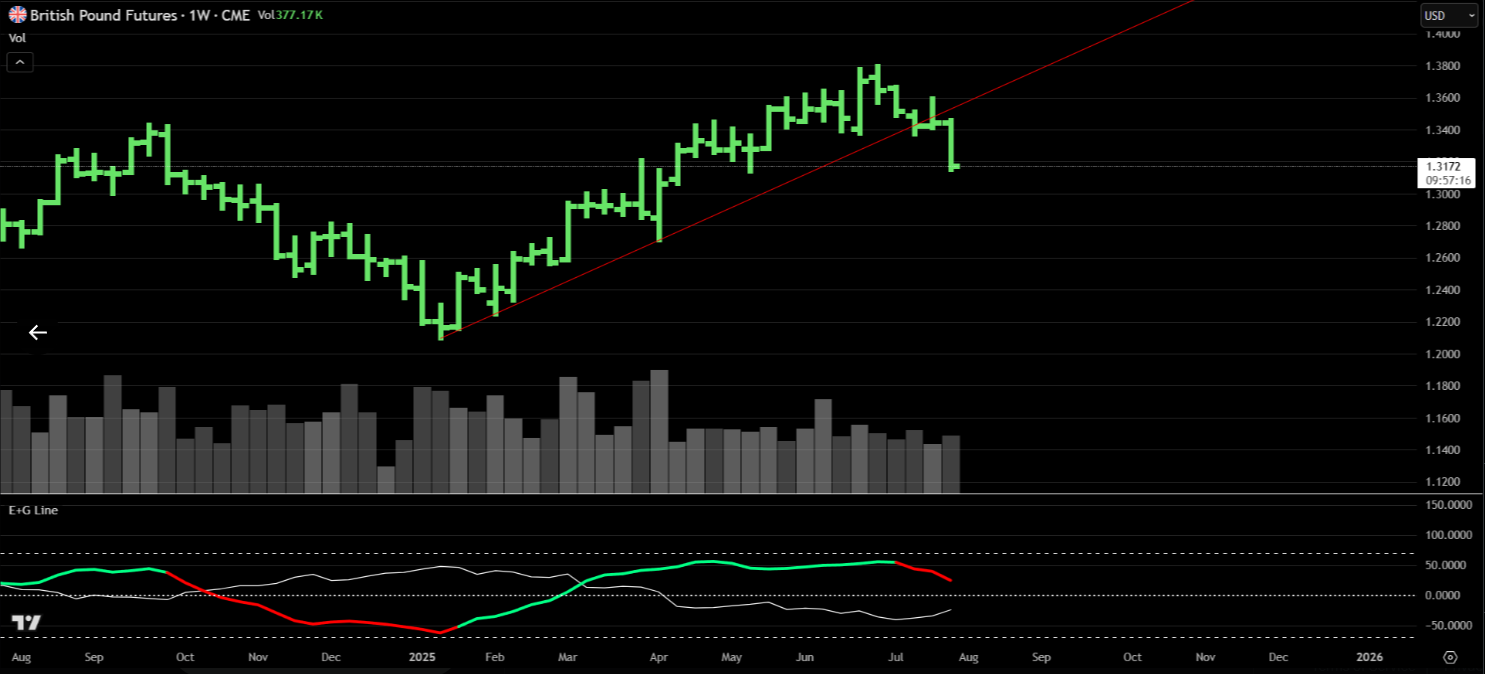
GBP/USD weekly chart showing initial drop after trendline break
As the trade developed, I became convinced that GBP was heading toward parity with USD over the coming months. This macro thesis started influencing my position management.
2. Where Discipline Broke Down
The remaining 50% position moved against me by -169 ticks, almost hitting my stop. My trailing stop rules were clear - exit and preserve capital. But I let my parity thesis override my risk management rules.
I was no longer trading what the market was showing me. I was trading what I wanted it to do.
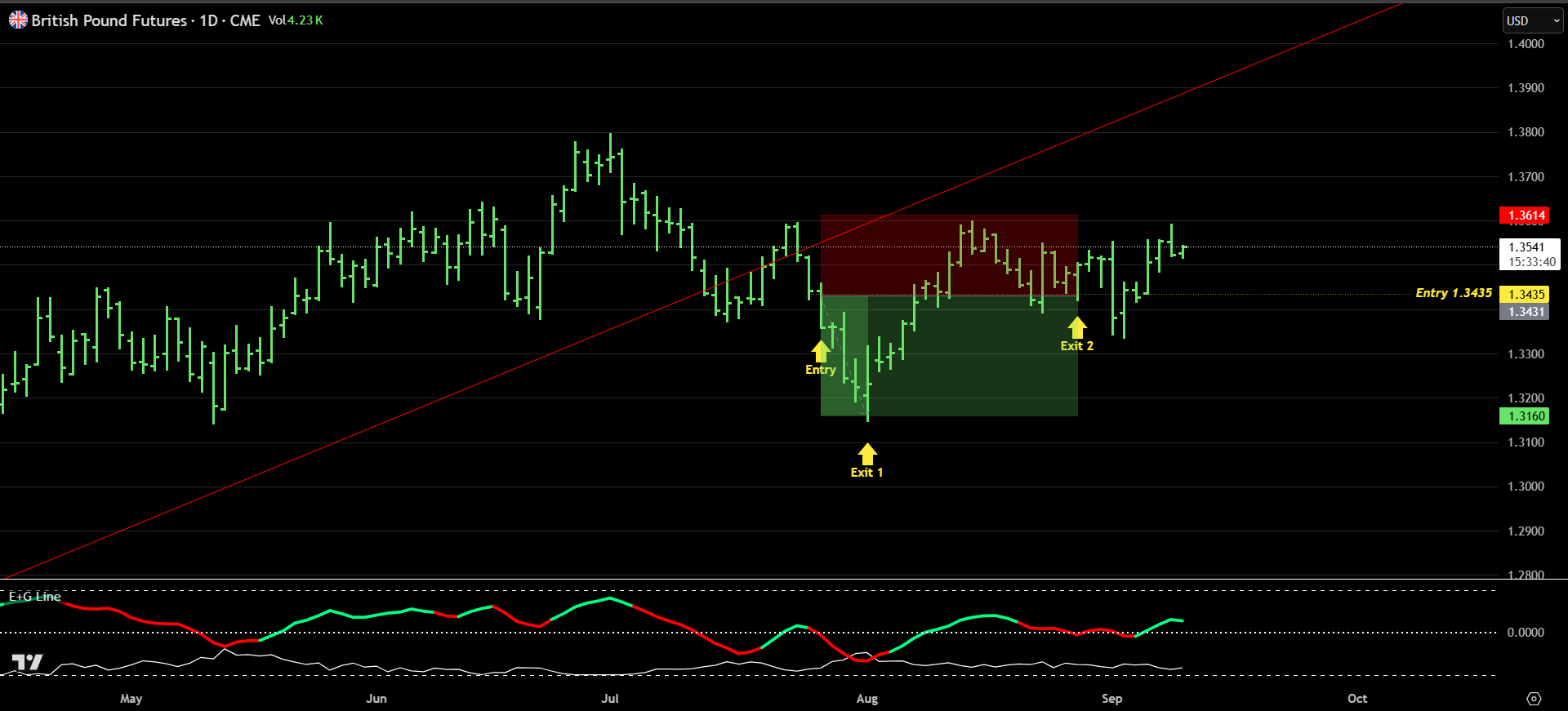
GBP/USD daily chart showing systematic entry, partial exit, and disciplined recovery exit
The Psychology:
Thesis attachment had taken over. Instead of managing risk based on price action, I was managing based on my macro conviction about where GBP "should" go.
3. Real-Time Recovery
While watching the drawdown, I realized what was happening: thesis attachment was destroying my discipline. Despite being down on the remaining position, I executed a disciplined exit back at 1.3435 (breakeven), preserving the +250 ticks from the first exit.
The disciplined exit at breakeven was critical - if I had continued to let thesis attachment override my judgment, the remaining position would have moved into a loss, potentially wiping out the gains from the first half.
4. The Complete Learning Framework
This trade demonstrates the full spectrum of trading psychology:
- Phase 1: Systematic rules executed properly (+250 ticks banked)
- Phase 2: Psychological override of risk management (-169 tick drawdown)
- Phase 3: Real-time recognition and disciplined correction (breakeven exit)
The Critical Distinction:
Most traders either don't recognize when conviction is overriding their rules, or can't execute the disciplined correction when they do recognize it.
5. The Lesson
This trade demonstrates something critical: you can be right about long-term direction and still lose money if you let conviction override short-term risk management.
The result: +125 ticks banked overall, valuable lesson learned, and thesis intact for future setups with proper risk control.
The ability to separate long-term views from short-term trade management is what separates consistent performers from those who give back profits. Real-time psychological awareness enabled mid-trade error correction - transforming a potential loss into a profitable learning experience.
Ready to identify your psychological blind spots before they cost you?
Technical analysis gets you into trades, but psychological discipline gets you out properly. Most expensive mistakes happen when long-term conviction overrides systematic risk management.
Discover your trading profile patterns and learn frameworks for systematic improvement.