AAR Journal: How to Take a -198 Tick Loss and Execute the Next Trade Perfectly
True systematic discipline isn't about avoiding losses; it's about maintaining a state of perfect execution immediately after a loss.
Trade Sequence Summary
1. Trade 1 Analysis (The Noble Loss)
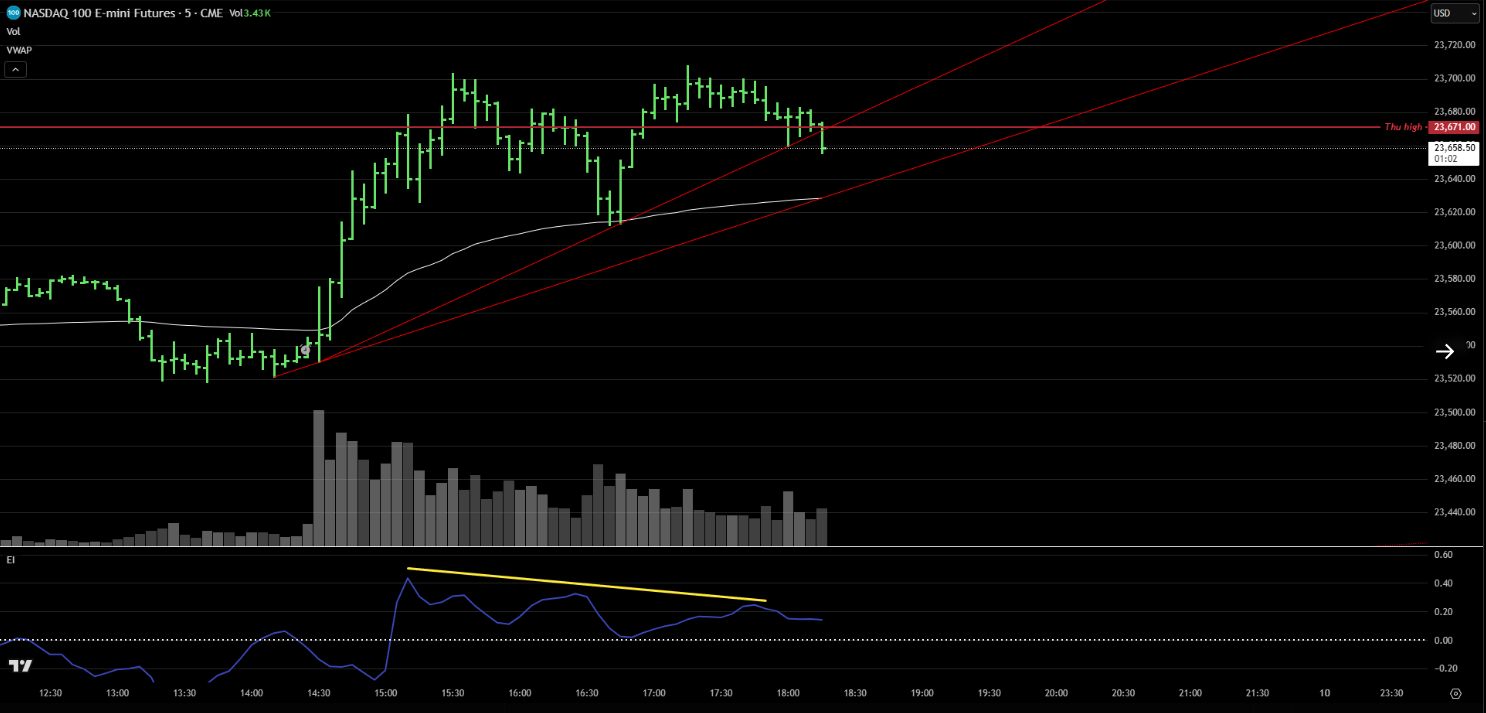
Chart 1: Initial breakout short setup with systematic entry point identified
The Systematic Thesis: The market was presenting a classic breakout short setup. My system's rules were met, and I initiated a short position as per my plan.
The Outcome: The market did not follow through. The breakout failed, and the position was stopped out for a -198 tick loss. This was a "Noble Loss": a loss taken while following the system's rules perfectly. There was no execution error.
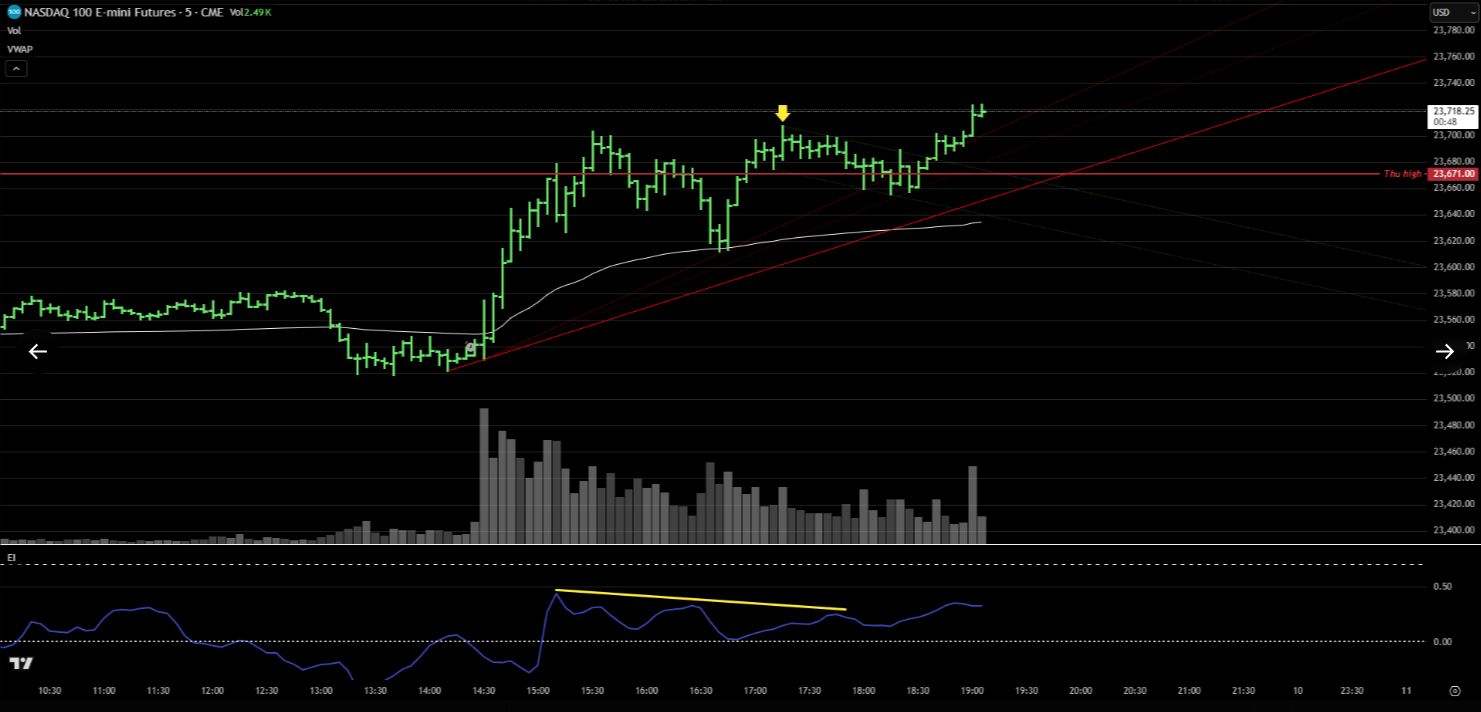
Chart 2: Stop loss execution at predetermined level - systematic discipline maintained
2. The Psychological Response (The Critical Moment)
The moment after a significant loss is one of the most dangerous for a trader. The natural emotional response is to hesitate, seek revenge, or stop trading altogether.
My system, however, requires an immediate return to a neutral, analytical state.
- My Process: I accepted the loss as a normal cost of doing business, logged it, and immediately began analyzing the market for the next valid opportunity, free from the emotional baggage of the previous trade. There was no dwelling and no change in my methodology.
3. Trade 2 Analysis (The Disciplined Execution)
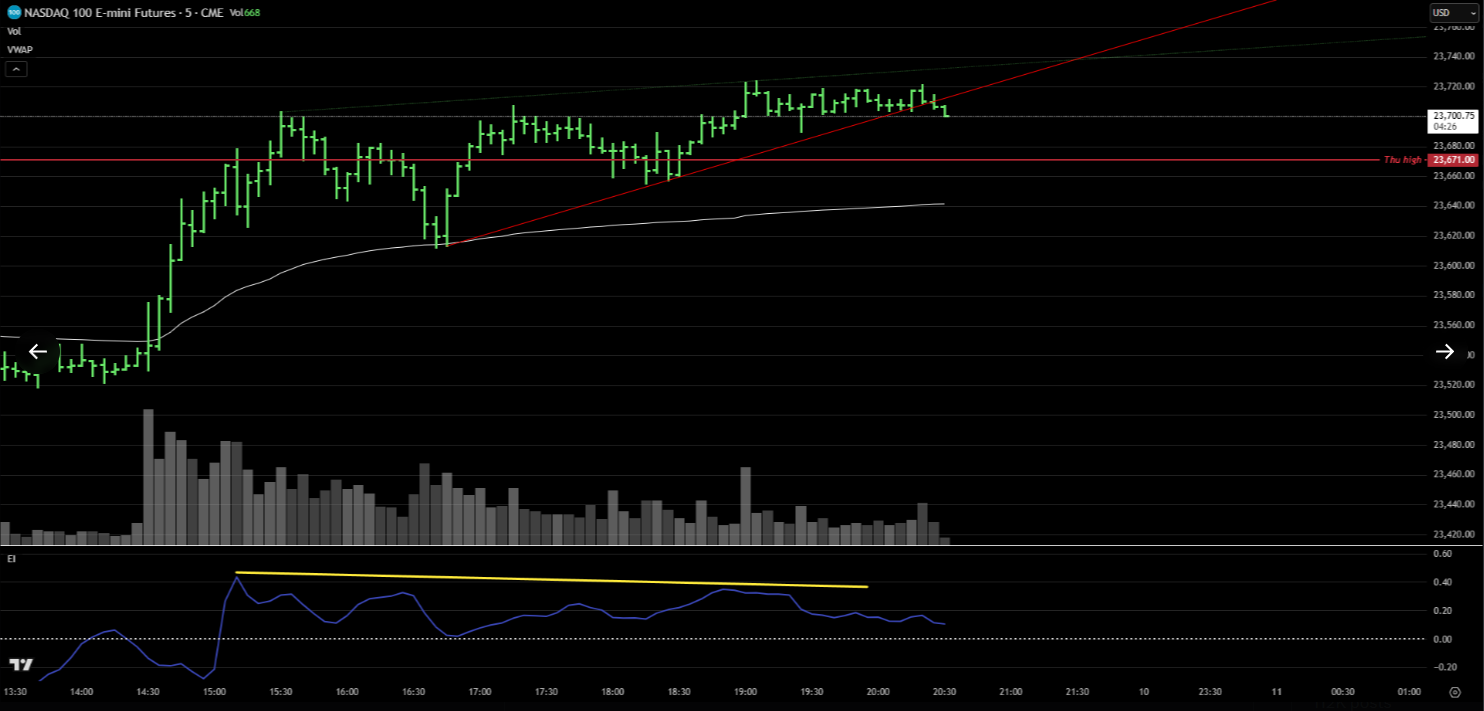
Chart 3: Third higher high with maintained bearish divergence - systematic short opportunity
- The Systematic Thesis: Price made a third higher high while bearish divergence remained intact. My system recognizes the "Rule of 3" - after three highs with persistent divergence, the probability of reversal increases significantly. This created a fresh, high-probability short setup with clear systematic criteria met. Despite the previous loss, the technical parameters aligned perfectly with my methodology.
- The Outcome: I took the trade with my standard position size. The position was managed according to the plan and closed for a +88 tick profit just before the market closed.
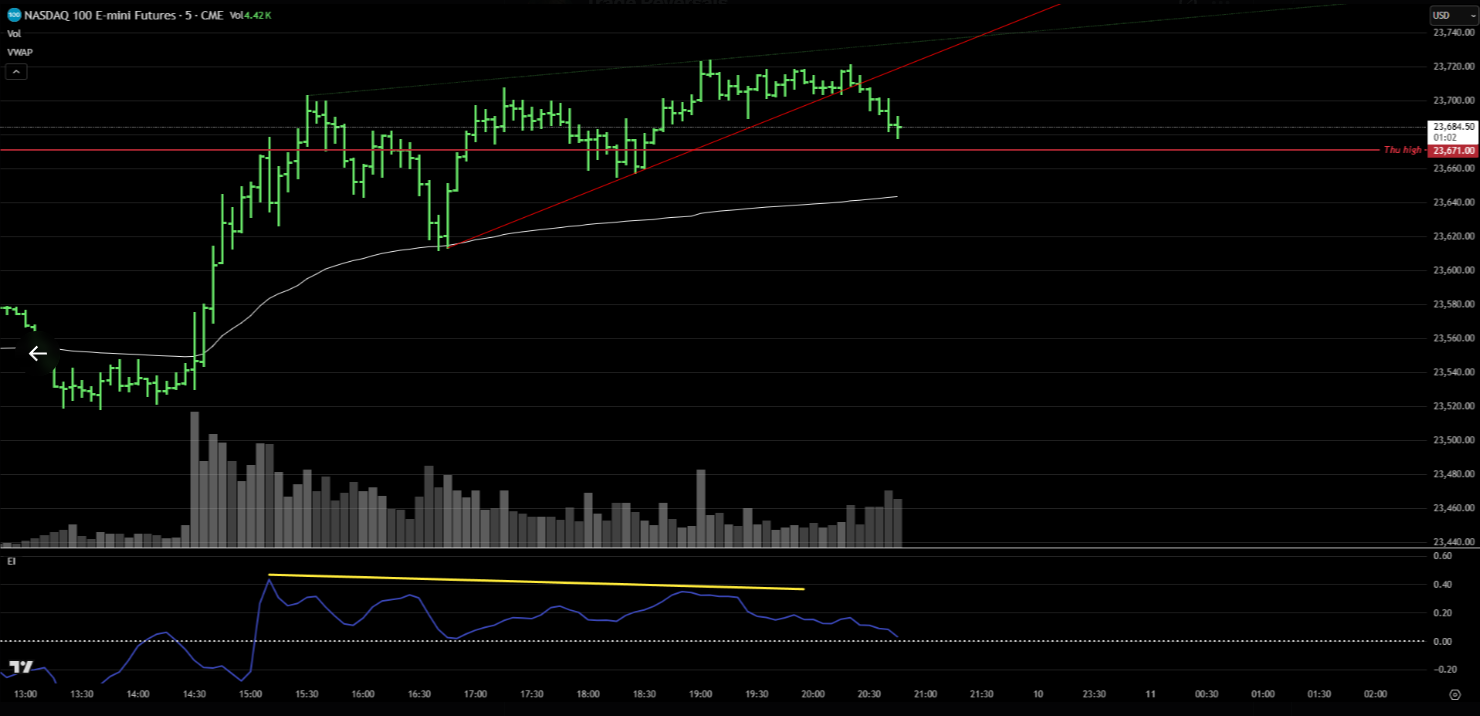
Chart 4: Systematic exit execution capturing +88 ticks according to plan
4. Post-Trade Debrief
The net result for this two-trade sequence was -110 ticks.
From a P&L perspective, it was a losing day. But from a process perspective, it was a perfect victory for the system.
The ability to take a substantial loss, remain emotionally neutral, and flawlessly execute the next valid signal is the absolute hallmark of a professional systematic trader. It demonstrates that the process is more important than the outcome of any single trade. This is how you build long-term consistency and survive the inevitable drawdowns that are a part of this business.
Ready to Master Systematic Trading Psychology?
This trade sequence demonstrates the critical intersection of technical methodology and psychological discipline. Most traders struggle with the mental game after losses - but systematic frameworks can be learned.
Discover your specific psychological trading patterns and get personalized insights for systematic improvement.